











Cooker Hood Maintenance Checklist to Keep It Working
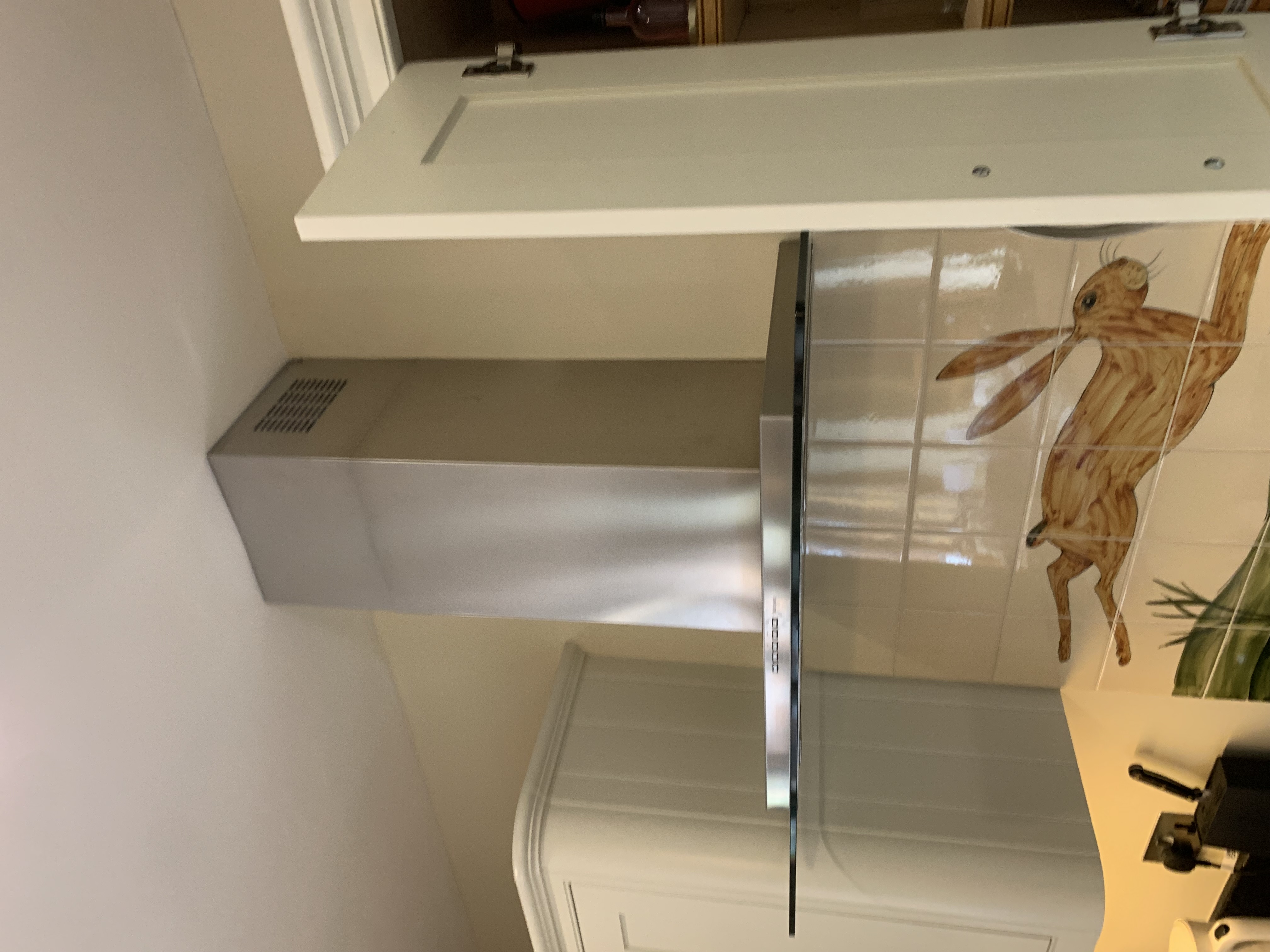
A cooker hood quietly does a lot of work. It pulls grease, steam and cooking smells out of the air while you're busy at the hob, and most of us only think about it when it starts to struggle. The good news is that cooker hood maintenance is mostly about cleaning, and a short routine every few months will keep your extractor running efficiently, quietly and for longer.
Here's a straightforward checklist you can work through yourself. Before you start, switch the hood off at the wall or isolate it properly so you can clean and inspect safely. If you're unsure how, our guide on how to safely isolate an appliance before a DIY repair walks you through it.
Why regular upkeep matters
Most extractors and cooker hoods have two or three metal gauze filters that trap grease as air passes through. Over time those filters clog, airflow drops, and the motor has to work harder. Keep on top of the cleaning and you'll get better extraction, less noise and fewer reasons to call out an engineer. Skip it for too long and you can end up with poor performance and unnecessary strain on the motor.
Step 1: Clean the metal gauze filters
These are the panels you can see underneath the hood, and they're the first thing to tackle.
- Push down on the sprung loaded catch on either side to release the tabs. The filter will drop out into your hand.
- Stainless steel mesh filters come up extremely well in the dishwasher, so they're very easy to clean and maintain. Run them through a hot cycle and let them dry fully before refitting.
- You don't have to remove or replace them in any particular order. They all sit in different positions, so each one only fits where it belongs.
Aim to clean these regularly. How often depends on how much you cook, but a quick check every few weeks and a proper clean every month or so works well for most kitchens.
Step 2: Check the carbon filter
Not all cooker hoods and extractors have a carbon filter, so don't worry if yours doesn't. Carbon filters are used on recirculating hoods, where the air is filtered and returned to the room rather than ducted outside.
If you have one, you'll usually find it on the motor section of the hood.
- Remove the carbon filter by turning it a quarter of a turn. It will pop out.
- Unlike the metal filters, carbon filters can't be cleaned or maintained. Once they get saturated, they need replacing. A saturated carbon filter can cause issues for the motor itself, so it's worth keeping an eye on.
- If your extractor isn't working as efficiently as it used to, check whether the carbon filter is saturated. If it is, fit a fresh one and see how you get on.
Older units with paper gauze filters
On older extractor fans and cooker hoods, the removable panels are often in two halves with a paper gauze filter sandwiched in between. These become saturated over time and are easy to replace. You can buy paper gauze filters in large sheets and simply cut them to the size you need.
Step 3: Check and change the lightbulbs
While you've got the hood open, it's a good moment to check the lighting. If a bulb has gone, replacing it is simple. The method is exactly the same as changing a bulb in a fridge or a cooker, so the steps in our guides on how to change a fridge light bulb and how to change an oven light bulb will point you in the right direction. If you've fitted a new bulb and it still won't light, our article on oven lights not working after changing the bulb covers what else to check, and the same thinking applies to a hood.
Step 4: Listen to the motor
With the filters clean and back in place, switch the hood on and have a listen. A healthy extractor sounds steady. A new rattle, grinding or a loud running noise that wasn't there before is worth taking seriously, especially if it appears after the filters are clean. It can point to something more than dirt, such as a worn motor or fan, and that's a job better left to an engineer.
Quick maintenance checklist
- Clean the metal gauze filters (dishwasher is fine for stainless mesh).
- Check the carbon filter if your hood has one, and replace it if saturated.
- Replace paper gauze filters on older two part panels when they clog.
- Test the lights and change any failed bulbs.
- Run the motor and listen for unusual noise.
When to book NAC
Regular cleaning prevents a lot of problems, but it won't fix everything. Some of the most common cooker hood faults we're called out to are:
- The light has gone and won't come back on after a new bulb.
- The hood isn't extracting air properly even with clean filters.
- It won't switch on at all.
- A loud running noise from the motor or fan.
If any of those sound familiar, our engineers repair cooker hoods and extractor hoods across all makes. You can book an engineer visit using the Book A Repair button on the NAC website, or get in touch with us here. You can also call the team on 0333 016 9622.
We quote a clear service charge before an engineer attends, which covers all labour, callout and VAT where applicable. The only possible extra is parts, and if anything is needed we'll quote that separately and get your go ahead before any work is done. There's no additional labour charge on top. Repairs are guaranteed too, with the length depending on the parts fitted and covered under our terms and conditions.
As a family run business with over 40 years of experience, we'd rather help you keep your hood in good shape than see it fail early. Keep up the cleaning, listen out for changes, and call us when something needs a proper repair.
- cooker hood
- maintenance
- checklist
- cleaning
Rather leave it to us?
- Fixed-price quote before any work starts
- Same or next-day visits where available
- UK-wide engineer coverage