











Cooker Hood Carbon Filters: When and How to Replace Them
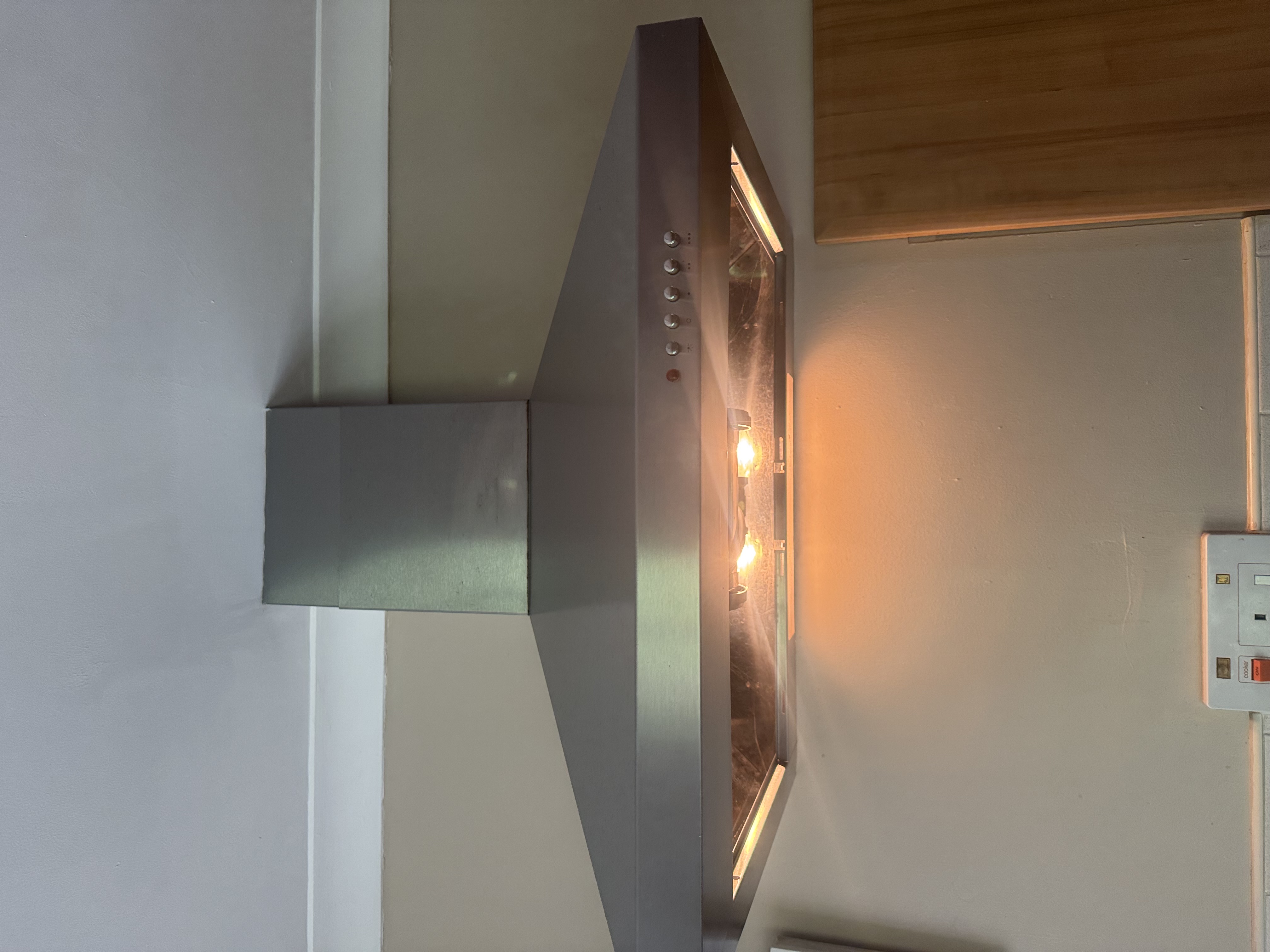
If your kitchen still smells of last night's cooking long after you've finished, the carbon filter in your cooker hood is one of the first things worth checking. Unlike the metal mesh filters, a cooker hood carbon filter can't be cleaned. Once it's saturated it stops doing its job, and replacement is the only real fix. This guide explains how recirculating extractors use carbon filters, how to remove and replace them, and why a clogged filter is bad news for the motor.
How a recirculating cooker hood uses a carbon filter
There are two broad types of cooker hood. Some are ducted, meaning they push cooking smells and grease-laden air outside through a vent. Others recirculate, which means the air is filtered and then returned back into the kitchen. It's the recirculating models that rely on a carbon (charcoal) filter to trap odours before the air is sent back into the room.
Not all cooker hoods and extractors have a carbon filter, so the first step is to check whether yours does. You'll usually find it on the motor section of the hood, behind the metal gauze filters.
Carbon filters can't be cleaned, only replaced
This is the part people most often get wrong. The stainless steel mesh filters can be washed and reused, but carbon filters can't be cleaned or maintained in any way. The charcoal inside gradually fills up with grease particles and odour molecules until there's simply no capacity left. At that point, washing or scrubbing won't bring it back. It needs to come out and a fresh one needs to go in.
How to tell your carbon filter is saturated
The clearest sign is performance. If your extractor isn't clearing smells and steam the way it used to, the carbon filter is a likely culprit. When your hood feels like it's working hard but not actually shifting odours, take the filter out and have a look. A saturated filter often looks discoloured and clogged, and you'll notice the difference straight away once you fit a new one.
There's a knock-on effect too. A saturated carbon filter restricts airflow, and that can cause issues for the motor itself. Making the motor pull air through a blocked filter shortens its life and can lead to a more expensive repair down the line. Replacing the filter on time protects the rest of the appliance.
How to remove and replace a cooker hood carbon filter
Before you start, switch the hood off at the wall. If you're not sure how, our guide on how to safely isolate an appliance before a DIY repair walks you through it.
- Take out the metal gauze filters first. These sit on the underside of the hood and cover the motor section. Push down on the sprung loaded catch on either side to release the tabs, and the filter will drop out into your hand.
- Locate the carbon filter on the motor section. Once the mesh filters are out of the way, you'll see the carbon filter (where one is fitted).
- Release it with a quarter turn. Turn the carbon filter a quarter of a turn and it will pop out.
- Fit the replacement. Line up the new filter and turn it back a quarter turn to lock it into place.
- Refit the metal filters. A handy point to remember: you don't have to refit the metal filters in any particular order, as they all sit in different positions and will only go where they fit.
That's it. There's no servicing or rinsing to do with the carbon element, just swap the old for the new.
Don't forget the metal gauze filters
While you've got the hood open, it's worth cleaning the metal filters too. Most extractors and cooker hoods have two or three stainless steel mesh filters, and these come up extremely well in a dishwasher. They're easy to clean and maintain, so pop them through a cycle, let them dry and refit them. Greasy mesh filters make the whole hood work harder, so clean or replace them as needed.
What about older cooker hoods with paper filters?
Older extractor fans and cooker hoods sometimes use a paper gauze filter instead. On these, the removable panels are often in two halves with the paper gauze filter sandwiched in between. Like carbon, paper gauze filters become saturated over time and can't be cleaned. The good news is they're cheap and simple to replace. You can buy paper gauze filter material in large sheets and cut it to the size you need.
Filter types at a glance
| Filter type | Can it be cleaned? | What to do |
|---|---|---|
| Metal gauze (stainless steel mesh) | Yes | Clean in the dishwasher, replace if damaged. Most hoods have two or three. |
| Carbon (charcoal) filter | No | Replace when saturated. Quarter-turn release on the motor section. |
| Paper gauze (older models) | No | Replace when saturated. Buy in sheets and cut to size. |
While you're up there: the lightbulbs
If the light over your hob has stopped working, that's another quick job you can tackle at the same time. The method for changing a cooker hood bulb is the same as changing one in a fridge or an oven. For step-by-step help, see our guides on how to change a fridge light bulb and how to change an oven light bulb. If the light still won't come on after a new bulb, our article on why an oven light isn't working after changing the bulb covers the usual causes.
When to call in an engineer
Replacing a carbon filter is a straightforward job for most people. But if you've fitted a fresh filter and cleaned the mesh, yet the hood still won't extract properly, or you can hear the motor straining or making unusual noises, there may be a fault with the fan or motor that needs a closer look.
NAC engineers are fully trained to repair cooker hoods and extractors across all the major brands. We quote a service charge before an engineer attends, and that covers all the labour, the callout and VAT where it applies. The only extra is parts if any are needed, and we'll quote those separately and get your go-ahead before doing any work. Every repair comes with a guarantee, with the length depending on the parts fitted, under our terms and conditions.
To get your cooker hood sorted, use the Book A Repair button on our website or call us on 0333 016 9622. You can also get in touch through our contact page, and check our service areas to see that we cover you.
- carbon filter
- cooker hood
- replacement
- recirculating
Rather leave it to us?
- Fixed-price quote before any work starts
- Same or next-day visits where available
- UK-wide engineer coverage