












How to Set the Right Fridge Freezer Temperature
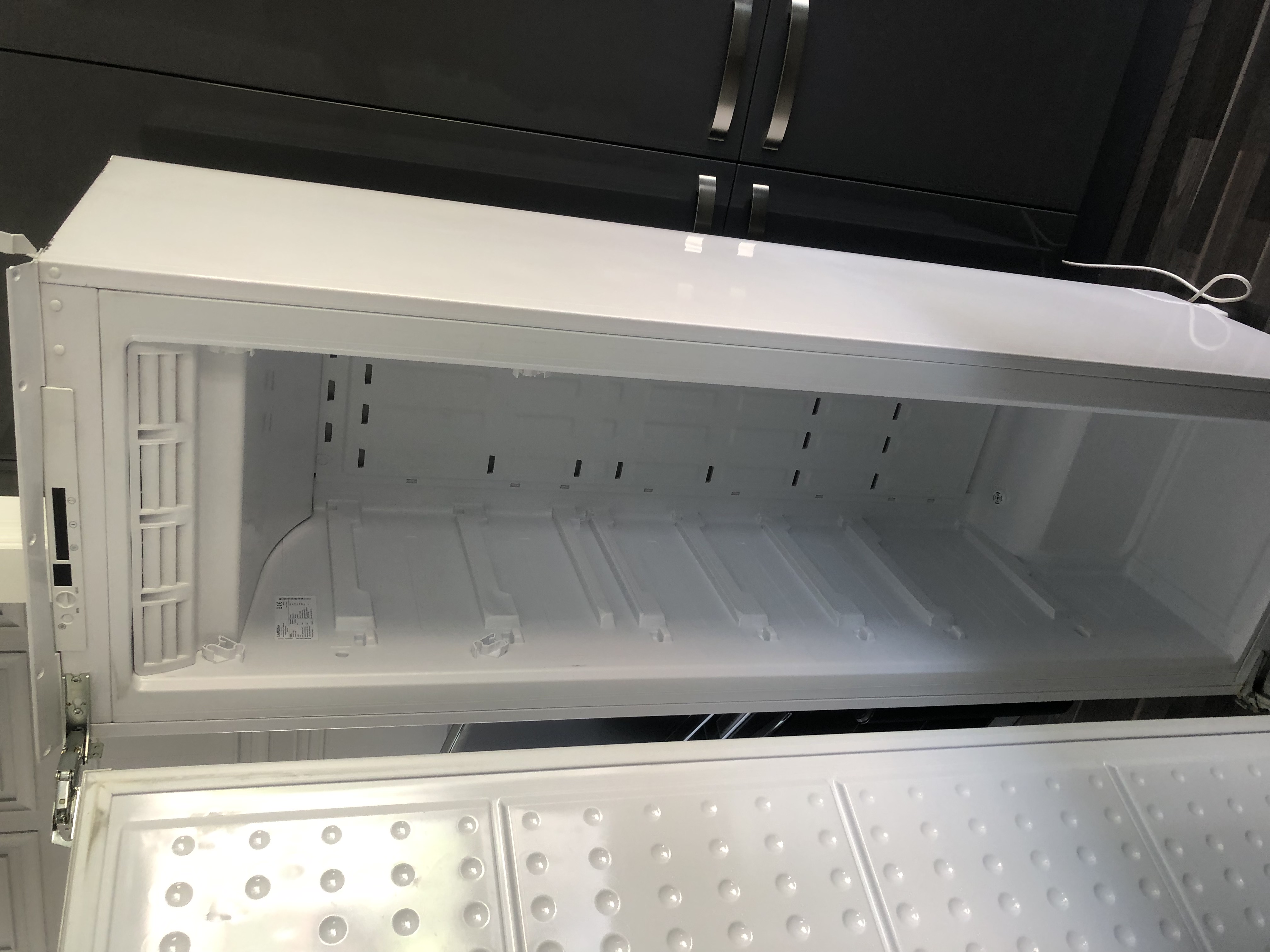
Getting your fridge freezer temperature setting right is one of those small jobs that quietly protects your food, your energy bill and your appliance. Set it too warm and milk turns before its date; set it too cold and salad leaves freeze solid while the motor works harder than it needs to. The good news is that most cooling complaints come down to settings, habits or a quick bit of housekeeping rather than a broken appliance.
Here's how to dial in the right temperatures, adjust both manual and digital controls, and tell the difference between a simple setting issue and a genuine fault that needs an engineer.
The ideal fridge and freezer temperatures
Food standards guidance in the UK is consistent on this, so it's a sensible target for almost any household:
| Compartment | Recommended temperature |
|---|---|
| Fridge | Around 3 to 5°C |
| Freezer | -18°C |
Keeping your fridge below 5°C slows the growth of bacteria that cause food to spoil. A freezer at -18°C keeps frozen food safe and stable for the long term. If your appliance only shows a dial numbered 1 to 5 (or similar) rather than actual degrees, that number isn't a temperature. It's a power setting, where a higher number usually means colder. More on that below.
Reading your controls
The way you adjust the temperature depends on the type of control your appliance uses.
Dial or numbered controls
Older and budget models often have a simple rotary dial, sometimes inside the fridge near the top. Remember:
- The number is a setting, not a temperature in degrees.
- A higher number generally means a colder compartment.
- Setting 0 or off usually switches the cooling off entirely, so avoid it unless you're defrosting.
If your food feels too warm, nudge the dial up by one number, leave it for 24 hours, then check again. Small changes are better than big jumps, because the appliance needs time to settle.
Digital controls
Many modern fridge freezers let you set the exact temperature in degrees, either on a front display or a control inside. Set the fridge to 3, 4 or 5°C and the freezer to -18°C, then give it a full day to stabilise before judging the result.
Some models also have extras worth knowing about:
- Fast freeze or super freeze, which temporarily runs the freezer colder to chill a large shop quickly. It often switches itself off after a set time, or you may need to turn it off manually.
- Holiday or eco mode, which keeps the fridge ticking over at a slightly warmer level when it's empty. Handy when you're away, but switch it off when you're back to normal use.
How to check the real temperature
Don't rely on the dial number alone. To see what's actually happening inside:
- Put a fridge thermometer in a glass of water and leave it in the middle shelf overnight. Water holds temperature steadily and gives a truer reading than the air, which swings every time the door opens.
- For the freezer, place a thermometer between packs of frozen food and leave it for a few hours.
- Check the readings first thing in the morning, before the door has been opened.
If the fridge reads above 5°C or the freezer is warmer than -18°C, adjust the setting and recheck the next day.
Food too warm? Work through this first
Before you assume the worst, rule out the everyday causes:
- Overloading. Cold air needs room to circulate. A packed fridge or freezer blocks the airflow and leaves pockets of warm food.
- Blocked vents. Many fridges have small air vents at the back of the compartment. Don't push food right up against them.
- Warm or uncovered food. Letting hot leftovers cool before they go in, and covering liquids, stops the appliance fighting a losing battle.
- Door seals. Run your finger around the rubber gasket. If it's torn, sticky or no longer springs back, it lets warm air in and the fridge runs constantly.
- Door left ajar. An overfilled shelf or a misaligned drawer can stop the door closing fully.
- Frequent or long door openings. Every open lets cold air tumble out, and on a hot day it takes a while to recover.
- Position. Sited next to an oven, a radiator or in direct sun, the appliance has to work much harder.
Give the temperature a day to recover after any change. If it still won't hold below 5°C with the controls turned up, that points to a fault rather than a setting.
Food freezing in the fridge? Try this
If salad, milk or yoghurt keeps freezing at the back of the fridge:
- Turn the setting down a notch (a lower number on a dial, or a degree or two warmer on a digital display).
- Keep delicate items like leaves and eggs away from the rear wall and the cold air outlet, where it's always coldest.
- Avoid blocking the internal vents, which can force cold air to concentrate in one spot.
Again, wait a full day between adjustments so you're judging the real result, not a temporary swing.
Freezer trouble: too soft or icing up
If frozen food is going soft, check the setting is at -18°C, make sure the door seals properly, and confirm you haven't accidentally left a fast freeze cycle off when you needed it.
A build-up of ice is a different story. Heavy frost on the walls or around the drawers can be down to warm air sneaking past a worn seal, a door not closing flush, or a defrost system that isn't working. While we're on the subject of stray water and ice, a fridge that's pooling water inside often has a blocked drain rather than a temperature problem. Our guide on how to clear a blocked fridge drain hole walks you through that one.
When it's a setting, and when it's a fault
Use this rough rule. If turning the control up cools the fridge or freezer to the right temperature within a day or so, it was a settings or housekeeping issue and you're sorted. If you've corrected the setting, cleared the airflow, checked the seals and given it 24 hours, yet the temperature still won't hold, you're likely looking at a genuine fault.
Things an engineer would investigate include:
- A failing thermostat or temperature sensor that misreads the inside.
- A noisy or struggling compressor that can't pull the temperature down.
- A faulty defrost system causing ice to choke the airflow.
- Refrigerant or sealed-system problems, where the fridge runs constantly but never gets properly cold.
These need testing and the right replacement parts, so they're not DIY territory. If you ever open up the appliance for a closer look, switch it off and unplug it first. Our short guide on how to safely isolate an appliance before a DIY repair explains the safe way to do it.
Get your cooling fixed properly
If you've worked through the settings and the simple checks and your fridge freezer still won't hold the right temperature, we can help. NAC repairs fridge freezers of every make, from no power and a noisy compressor to food that won't chill and a freezer that keeps filling with ice, returning the appliance to a like-new level.
We quote a clear service charge before an engineer attends, covering all labour, the callout and VAT where it applies. The only extra is for any parts that turn out to be needed, and we quote those separately before any work goes ahead. There's no additional labour charge on top. Repairs come with a guarantee, with the length depending on the parts fitted and set out in our terms and conditions.
To book a repair, get in touch with our team or call 0333 016 9622. You can also check the areas we cover and the brands we repair before you book.
A husband and wife team, Adrian and Amanda, run NAC with over 40 years of experience between them, and every engineer is fully trained by us across all the appliances and manufacturers we work on.
- fridge temperature
- freezer settings
- food safety
- appliance tips
Rather leave it to us?
- Fixed-price quote before any work starts
- Same or next-day visits where available
- UK-wide engineer coverage