












Why does my washing machine smell? Causes and how to fix it
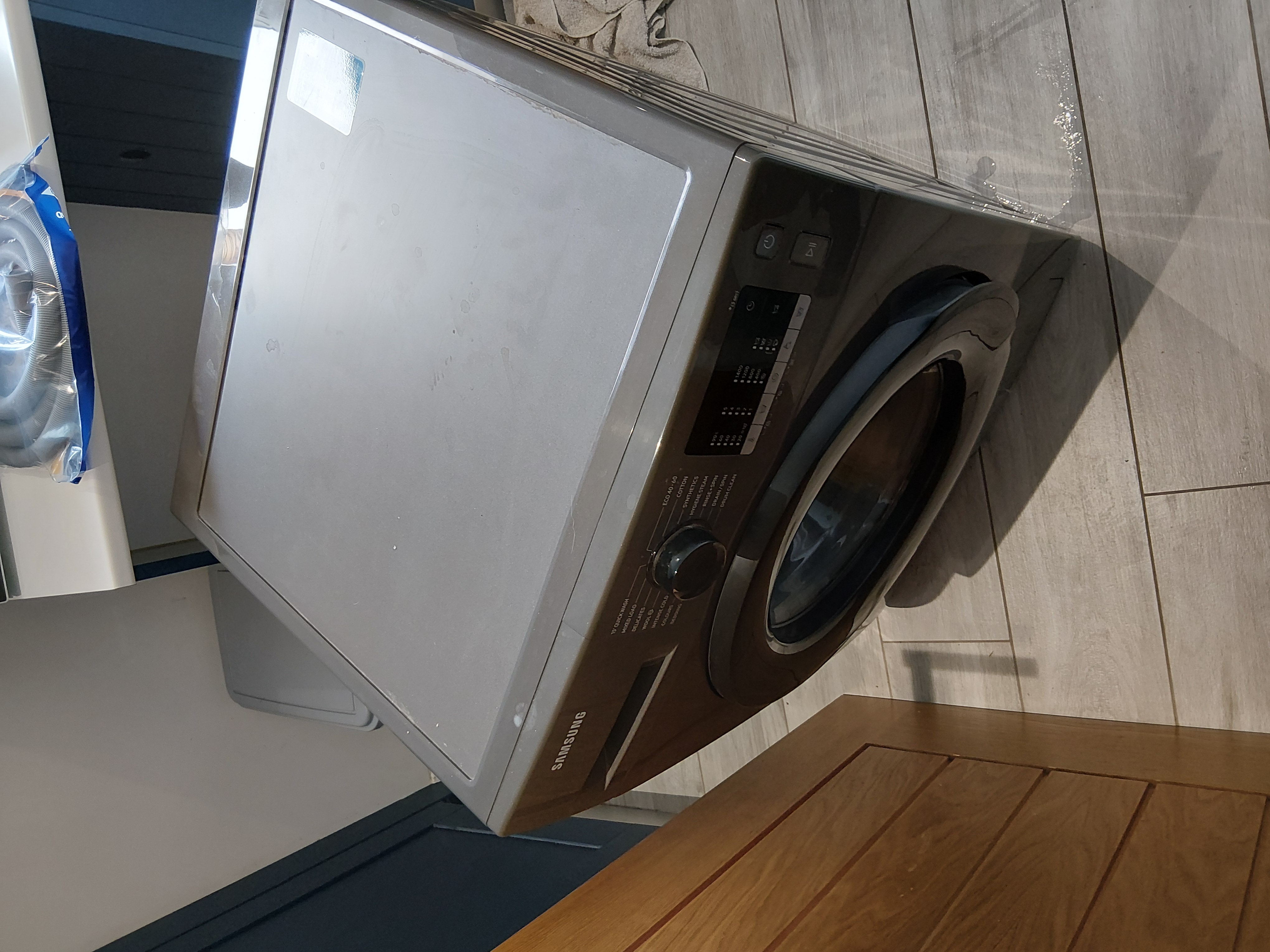
If the machine, or your clean washing, smells musty, eggy or just stale, it's nearly always build-up in one of three places. Here's how to find it and get rid of it, and how to tell when a smell is pointing at a fault rather than dirt.
Why it happens
Cool washing is the main reason. A 20 or 30 degree cycle is kind to the bill but never gets hot enough to kill the bacteria and mould that feed on detergent and softener residue. Add water that never quite drains away and a door kept shut between washes, and you've made the perfect home for a smell.
The three places to clean
The door seal is the first. Peel back the rubber folds at the bottom, where water and gunk sit, and where most smells start. Our guide on cleaning the door seal walks through it.
Next the detergent drawer. Pull it right out, there's usually a catch to release it, and scrub the drawer and the recess it lives in. Black mould builds up in here, especially if you use fabric softener.
Last the filter, behind the kick panel at the bottom. It traps fluff, coins and standing water that goes stagnant, and cleaning the filter often clears a smell on its own.
Then run an empty machine on the hottest cotton wash with a cup of white vinegar or a washing machine cleaner, and make a habit of it once a month. Leave the door ajar between washes so it dries out.
When a smell means a fault
Clean all three and it still comes straight back? Or it smells of drains? The water may not be clearing properly, leaving a stagnant puddle after every cycle. A perished door seal that won't come clean will hold a smell too. Both are jobs an engineer can sort, and for a new door seal customers typically paid £102 to £200 in total, including parts and VAT (from 256 repairs).
Book a washing machine repair
If the smell won't go however hard you clean, or there's water sitting in the drum after a wash, book a washing machine repair or find your local washing machine engineer.
Frequently asked questions
Why does my washing machine smell musty?
Mould and bacteria feeding on detergent residue in the seal, drawer and filter, kept alive by cool washes and trapped damp. Clean all three, run a monthly hot wash, and it usually goes.
Why do my clothes smell even after washing?
The residue inside the machine transfers to clean laundry. Clean the seal, drawer and filter, ease off the detergent and softener, and run a hot maintenance wash.
Why does it smell of eggs or drains?
That kind of smell usually means water is going stagnant rather than draining away. Clean the filter first, and if it carries on the machine may not be draining fully and needs a look.
How often should I clean it?
A hot wash once a month, plus wiping the seal and leaving the door ajar between washes, keeps it away for most people.
What our engineers found on 55 jobs
The figures below come from NAC's own repair records: 55 washing machine jobs our engineers attended for this fault, what they found, what fixed it and what it typically cost.
When a washing machine smells or shows mould, engineers sometimes find the rubber door seal has gone mouldy or black and no amount of cleaning will shift it. Other things they sometimes find include blocked holes or jets in the seal that leave water sitting in it, mould building up in the detergent drawer, and old detergent and grime collecting in the drain hose, filter, pump and pipework underneath. Now and then something caught inside the machine, such as a colour catcher trapping fluff between the drum and the outer tub, is behind the smell or the marks on clothes.
An engineer will usually start by looking at the door seal, checking the drain filter and making sure the machine fills and drains properly. Depending on what they find, they clean out the drawer, seal holes, hoses and pipework, remove anything trapped inside, or fit a new door seal. A new seal often has to be ordered and fitted at a second visit. The engineer then runs a rinse and drain or a short cycle to check everything works without leaks.
Engineers also often suggest running hotter and longer washes more regularly, using a machine cleaner or descaler, and leaving the door open between washes to help keep smells away.
Written by our engineers from these jobs.
- Jobs attended
- 55
- in the last 12 months
- Confirmed repairs
- 34
- This is not a success rate. Jobs inside their 60-day window, jobs still being classified, jobs held for review and visits that didn't end in a repair aren't counted.
- Fixed at the first appointment
- 41%
- about 2 in 5 of our repairs
- Typical total paid by customers
- £102 to £196
- including parts and VAT, from 34 repairs
No single cause has enough confirmed repairs behind it yet to show for this fault.
About the price. £102 to £196 is the typical total paid by customers, including parts and VAT: the middle half of what customers paid on 34 of these repairs. Repairs paid for by manufacturers and insurers aren't counted, because that work is charged at contract rates. It's a guide, not a quote. Your engineer confirms a fixed price before any work starts.
- Washing machine repair
- Washing machines
- Smells
- Maintenance
- Door seal
Rather leave it to us?
- Fixed-price quote before any work starts
- Same or next-day visits where available
- UK-wide engineer coverage