











Dishwasher not filling with water? What's stopping it
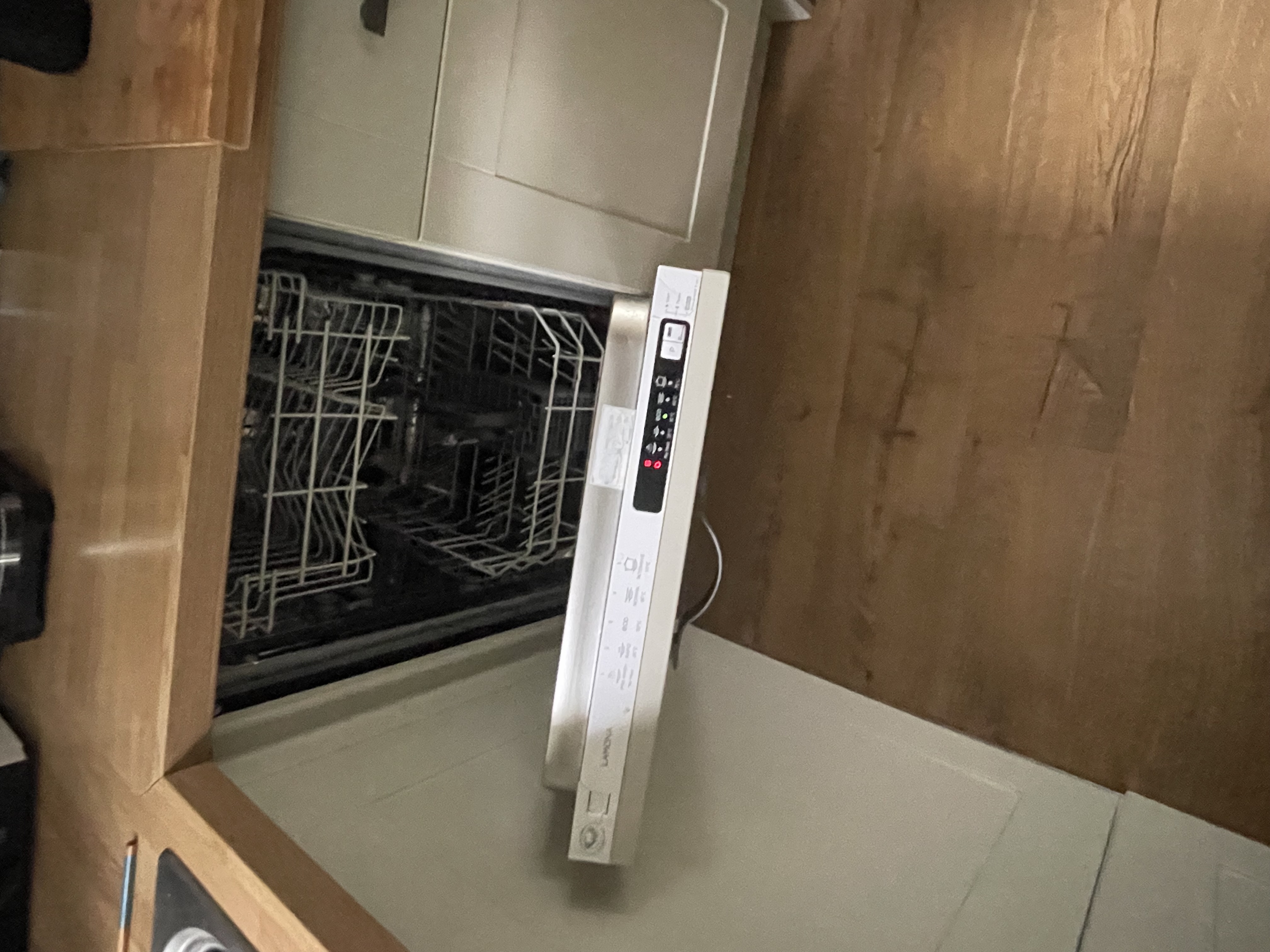
A dishwasher that hums away but never takes any water, or stops early with the dishes bone dry, has a problem getting water in rather than out. We attended 172 dishwasher jobs for this fault in the last 12 months, and a few of the causes are things you can check yourself.
Checks you can do
Start with the tap. Most dishwashers have their own little isolating valve under the sink, usually with a coloured lever. Make sure it's fully open, because they get knocked shut when people are rooting around in the cupboard.
Look at the fill hose behind the machine for a kink where it's been pushed back against the wall.
Some machines have a small gauze filter where the fill hose meets the machine, which silts up on hard water. If you're happy turning the water off at the tap and undoing the hose, you can check and rinse it.
When it's a fault
If water's getting to the machine and it still won't fill, it's usually one of a few parts. The inlet valve, the electrically operated valve that lets water in, is the common one, failing shut so nothing comes through. A pressure switch that misreads the water level can stop it filling too, and it's a part we replace on dishwashers. And on machines with an anti-flood or aquastop device, a triggered or faulty safety valve shuts the water off completely.
What a repair costs
Going on our own jobs, customers typically paid £104 to £195 in total for this repair, including parts and VAT (from 87 repairs). You'll have a fixed price before any work starts.
Book a dishwasher repair
If the tap's open and the hose is clear and it still won't fill, book a dishwasher repair or find your local dishwasher engineer.
Frequently asked questions
Why won't my dishwasher fill with water?
Once you've checked the isolating tap is open and the fill hose isn't kinked, it's usually a failed inlet valve, a faulty pressure switch misreading the level, or a triggered anti-flood safety valve.
My dishwasher runs but no water comes in. What's wrong?
It's trying to start the cycle but can't draw water. Check the tap and hose first. If they're fine, the inlet valve or pressure switch is the likely fault.
Where is the water tap for a dishwasher?
Usually under the kitchen sink, a small isolating valve on the pipe feeding the machine, often with a coloured lever or a screw head. Make sure it's fully open.
How much does it cost to fix?
Customers typically paid £104 to £195 in total for this fault, including parts and VAT (from 87 repairs). We confirm a fixed price before any work starts.
What our engineers found on 172 jobs
The figures below come from NAC's own repair records: 172 dishwasher jobs our engineers attended for this fault, what they found, what fixed it and what it typically cost.
When a dishwasher will not fill, engineers sometimes find the cause is simply the water supply. The tap feeding the machine may have been turned off, perhaps after other plumbing work nearby, or left only partly open so too little water gets through. Engineers also sometimes find a problem with the part that senses how much water is inside. If it becomes clogged with debris, the machine can drain, fill and drain again without ever starting its wash. Other things engineers sometimes find are a faulty valve that lets water into the machine, a worn safety inlet hose, a sticking part that measures incoming water, or a stuck valve on the drain side that makes it seem as though the machine is not filling.
An engineer usually starts by checking the water supply and running a short programme to watch how the machine fills and drains. They test the electrical parts and clear any blockage in the water level sensing part. When that part is clearly failing, they recommend replacing it so the fault does not keep coming back.
If a new part is needed, it often has to be ordered and fitted at a second visit. Afterwards the engineer runs the machine again to make sure it fills, washes and heats as it should.
Written by our engineers from these jobs.
- Jobs attended
- 172
- Confirmed repairs
- 92
- This is not a success rate. Jobs inside their 60-day window, jobs still being classified, jobs held for review and visits that didn't end in a repair aren't counted.
- Fixed at the first appointment
- 42%
- about 2 in 5 of our repairs
- Typical total paid by customers
- £104 to £195
- including parts and VAT, from 87 repairs
No single cause has enough confirmed repairs behind it yet to show for this fault.
Error codes we see with this fault
- AEG E11: Water inlet fault: the fill is taking too long.
- AEG I10: Water inlet or fill fault.
- Hisense F12: Water inlet or fill fault.
- Hotpoint F02: Water inlet or supply fault.
- Lamona E01: Anti-flood protection activated: water detected in the base.
- Lamona E02: Water fill fault: the appliance is not filling.
- Miele F12: Water fill or flow fault.
- Samsung 4C: Water inlet fault: no water entering the appliance.
About the price. £104 to £195 is the typical total paid by customers, including parts and VAT: the middle half of what customers paid on 87 of these repairs. Repairs paid for by manufacturers and insurers aren't counted, because that work is charged at contract rates. It's a guide, not a quote. Your engineer confirms a fixed price before any work starts.
- Dishwasher repair
- Dishwashers
- Not filling
- Inlet valve
- Water supply
Rather leave it to us?
- Fixed-price quote before any work starts
- Same or next-day visits where available
- UK-wide engineer coverage